
Retaining walls were created for the sole purpose of holding back the soil, preventing erosion and separating areas typically on a slope, whether steep or gradual. Over time, they’ve been developed and progressed to be aesthetically pleasing too – with multiple ways of building and presenting them in the garden. Used across commercial and residential landscapes, large and small, retaining walls come in various different types and materials, dependent on their purpose and need.
Here are six of the most popular retaining walls used in Australian landscaping:
1. Concrete Sleeper Retaining Walls
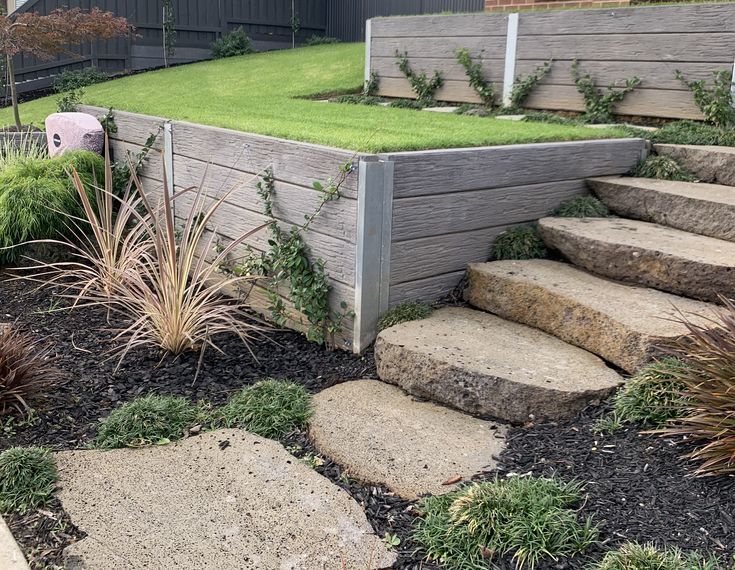
Most popular for: Residential landscaping, boundary retaining, garden terraces.
These walls use steel-reinforced concrete sleepers, slotted between galvanised steel or H-beams. They’re prized for their strength, longevity, and low maintenance.
Aesthetic: Modern, clean, and low-maintenance – Can mimic timber or stone with coloured or textured finishes. Ideal for contemporary landscapes or neat, straight boundary walls.
Key features:
- Termite and rot resistant
- Ideal for long straight runs
- Bushfire zone compliant
- Can be textured or coloured to mimic timber or stone
2. Timber Retaining Walls
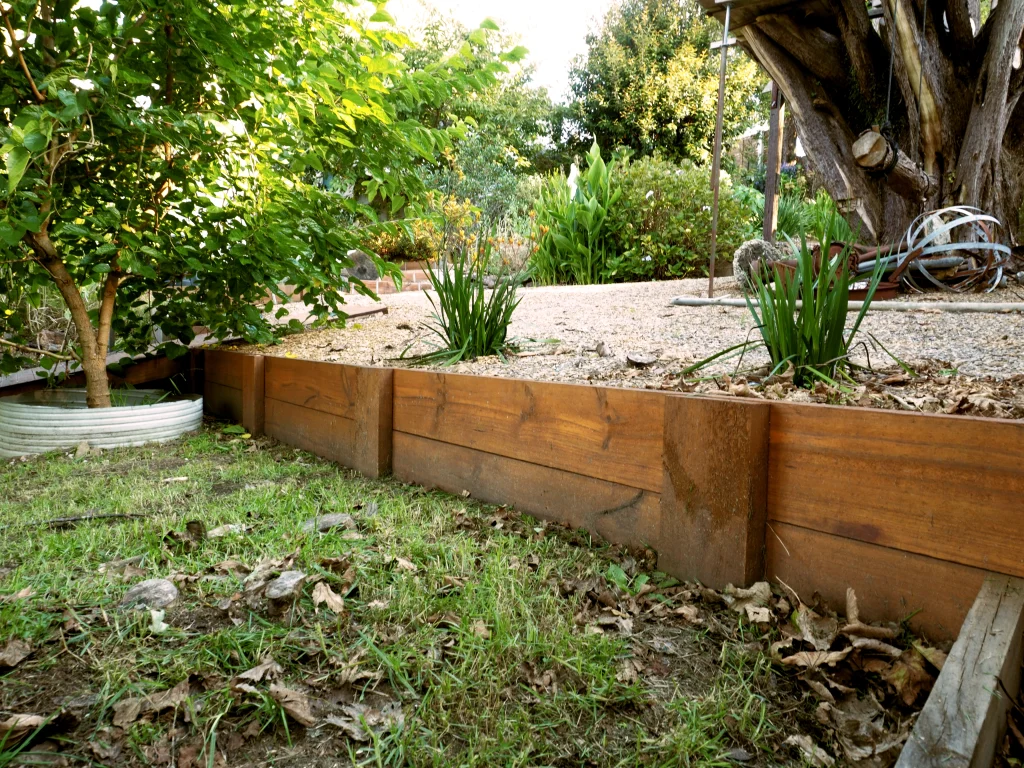
Most popular for: Cost-effective residential walls, garden edging.
Constructed using treated pine or hardwood posts and sleepers, these are a classic option for smaller walls or DIY installations. They blend beautifully with natural surrounds, especially in bushland or cottage-style gardens.
Aesthetic: Warm, natural, and rustic – Well suited in bushland, cottage gardens, or rural settings.
Key features:
- Warm, natural appearance
- Affordable upfront cost
- Less durable than concrete (10–15 year lifespan typical)
- Requires treated timber for ground contact
3. Stone Retaining Walls (Dry Stack or Mortared)
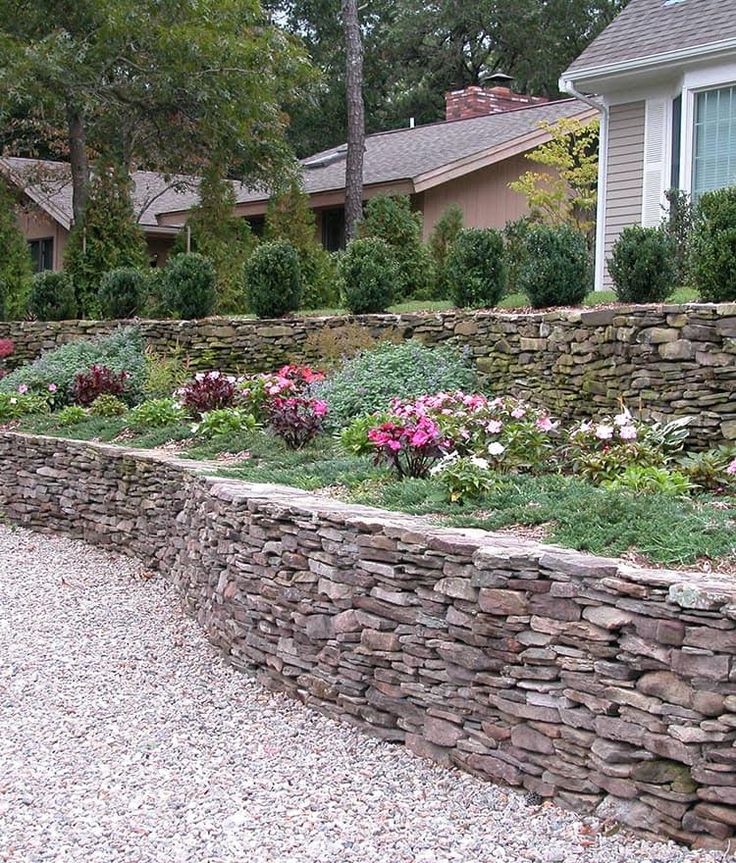
Most popular for: Premium landscapes, rural or heritage properties, homes around the Blue Mountains
These walls can be built with sandstone, bluestone, granite, or bush rock; either dry stacked or mortared. They’re a traditional art form that originated in the UK and can also be found around areas in the Blue Mountains.
Aesthetic: Timeless, textured, and earthy – Think sandstone terraces, curved garden beds, and walls that feel like they’ve always belonged.
Key features:
- Highly durable and natural
- Great for curved, organic designs
- Labour intensive, but adds high property value
- Good drainage if dry stacked
4. Gabion Retaining Walls
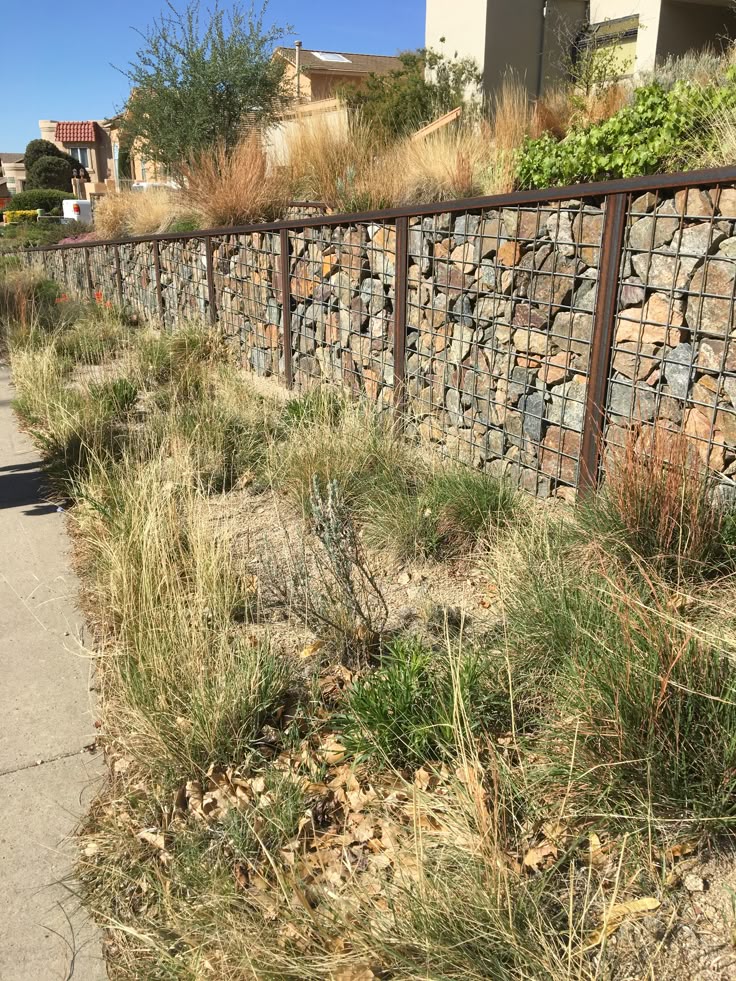
Most popular for: Industrial, rural, or modern design applications
Gabions are wire mesh cages filled with rocks or recycled concrete. They’re especially effective in areas requiring drainage and erosion control, and they’re gaining popularity in bushfire prone areas due to their fire resistance.
Aesthetic: Industrial, raw, and striking – Suits both minimalist architecture and bushland settings. Looks great with native planting or water features.
Key features:
- Permeable, reduces water pressure build-up
- Eco-friendly (can use on-site stone or recycled rubble)
- Bushfire safe
- Raw, rugged aesthetic
5. Sandstone Block Retaining Walls
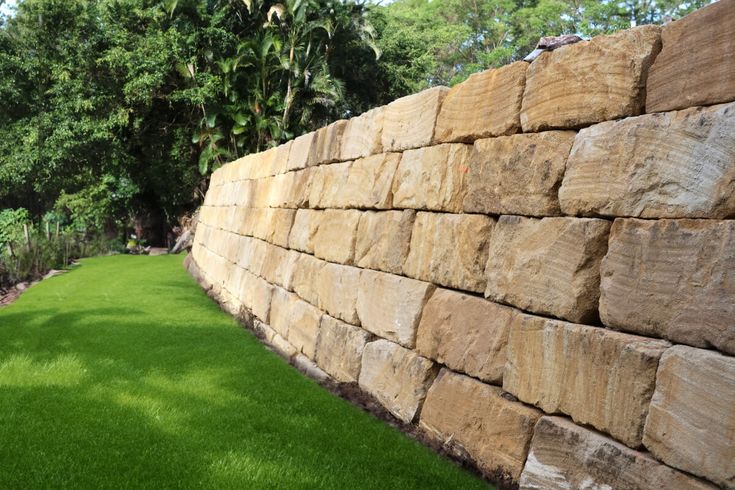
Most popular for: Rural properties, naturalistic landscapes, Suburban homes
These use large, often locally sourced sandstones arranged without mortar. Ideal for rural and suburban driveways, dam edges, or where a naturalistic and robust look is desired.
Aesthetic: Organic, bold, and dramatic – Great for rural driveways, wild gardens, or terraced hillsides.
Key features:
- Natural drainage
- Suits sloped or difficult terrain
- No concrete or steel required
- Long-lasting and low maintenance
6. Brick or Block Retaining Walls
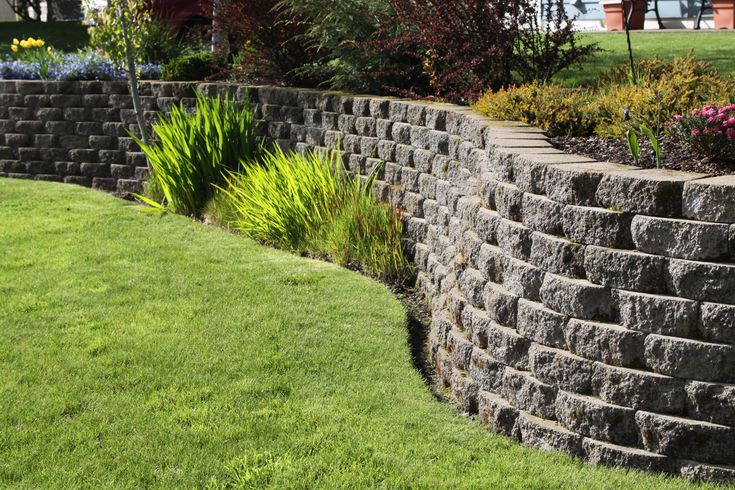
Most popular for: Suburban gardens, formal gardens
Using masonry bricks or concrete blocks, these walls are often mortared for strength and finished with renders or decorative cladding. They’re used where style and structure meet.
Aesthetic: Structured, polished, and versatile – Can be rendered, painted, or tiled for a sleek finish. Great for patios, raised beds, and modern courtyards.
Key features:
- Clean, contemporary look
- Can be rendered or tiled
- Strong and versatile for stairs and planter boxes
- Requires good drainage and footings
Choosing the Right Wall in Australia
Your choice of retaining wall in Australia should consider:
- Soil type and drainage
- Bushfire zoning (BAL ratings)
- Local climate (e.g., termites, rainfall)
- Council regulations or engineering requirements
- Desired aesthetic and budget
At Wattle and Stones Landscapes, we design and build retaining walls that are as practical as they are beautiful, tailored to Australian conditions and your garden. Contact us today for a free consultation.